Search the site

SH2_3

Luca Percalli

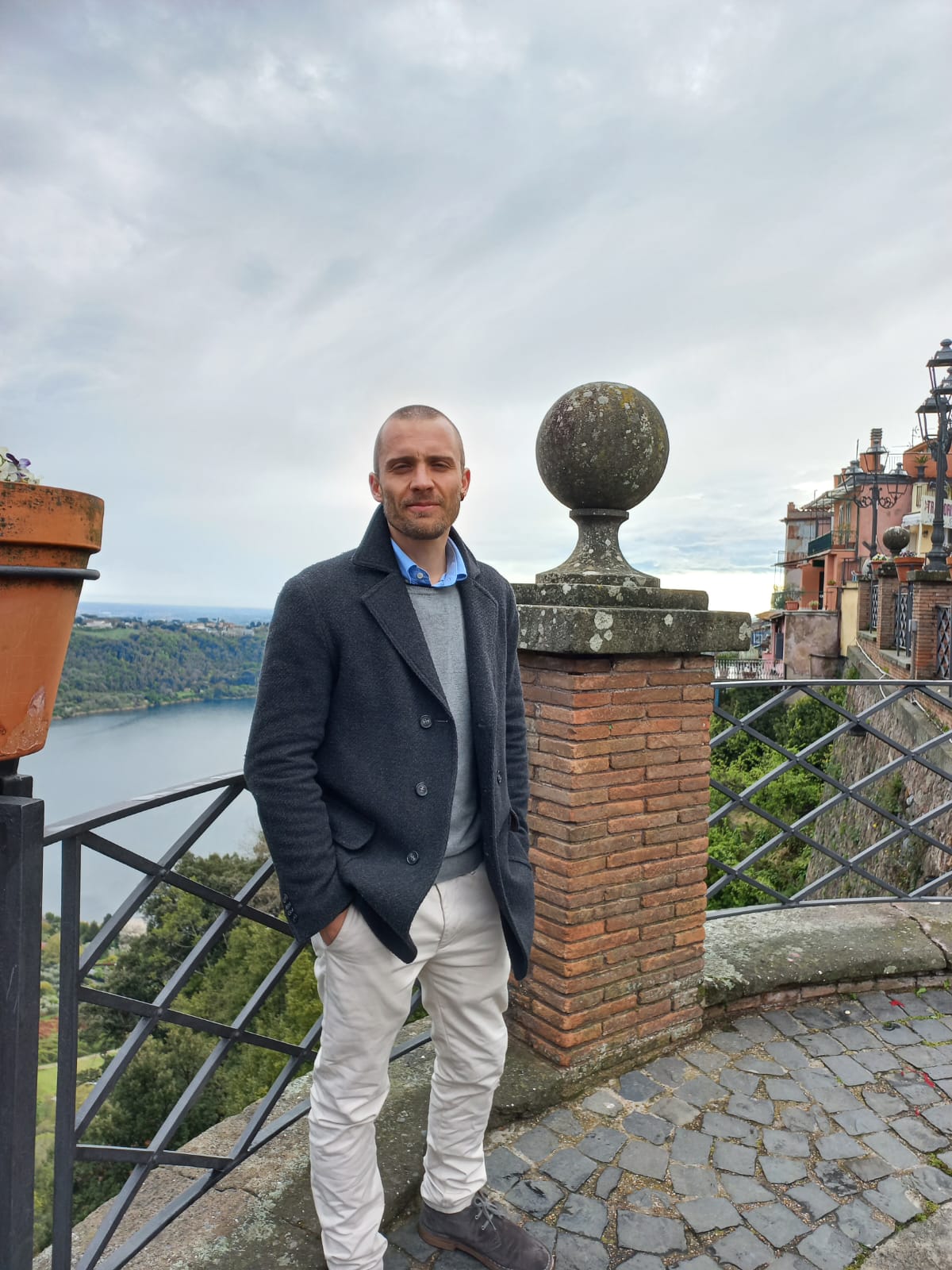
Close-up of the PhD student

Luca Percalli

Ph.D. student
XLI cycle (2025-2028)
Diplomacy and international cooperation
Ph.D. program in “Frontier Sciences in Sustainability, Diplomacy, and International Cooperation”
Department of International Humanities and Social Sciences (SUSI)

Province, republic, monarchy...and back to province. Congo and the secession of South Kasai between agency and neocolonialism, 1956-1962.

The project aims to analyze the secession of South Kasai, a central episode that has been only weakly investigated within the broader Congo crisis of the early 1960s. In doing so, the research will attempt to take into account both neo-colonial aspects and distinctly local factors of the Kasai question.
On the one hand, by analyzing the extensive support provided to the secession by the Belgian authorities, the major diamond companies operating in the area, and the promoters of the other Congolese secession—that of Katanga—the project intends to contribute to the debate on the neo-colonial elements of the crisis. On the other hand, in light of the crucial role played by local actors, the project aims to contribute to the important debate on African agency. Two of the most important reasons behind the secession, in fact, can be found in interethnic tensions and power struggles at the top for access to political power and resources.
Overall, the research activity aims to shed light on an episode that is still little known, yet nonetheless central, in the troubled post-colonial period of the Congo, and thereby improve understanding of one of the most significant political crises of the 1960s. A crisis so important that it produced lasting and profound consequences not only within Congo's borders, but also at both the regional and international levels.

Research Interests

International relations, African history, economic history, history of international relations, postcolonial studies.
Margherita Mencarelli

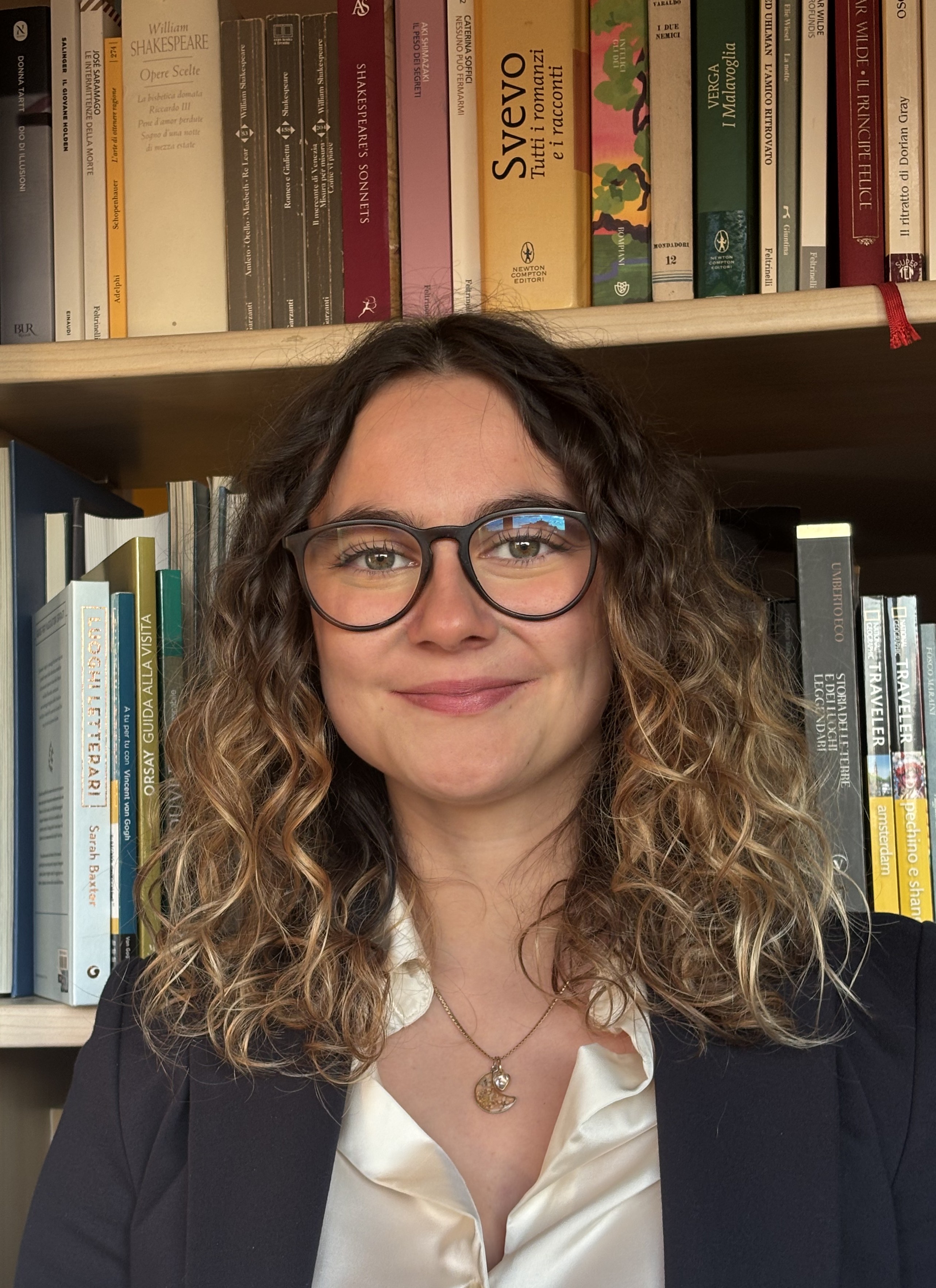
Close-up of the doctoral student

Margherita Mencarelli

Ph.D. student
XLI cycle (2025-2028)
Diplomacy and international cooperation
Ph.D. program in “Frontier Sciences in Sustainability, Diplomacy, and International Cooperation”
Department of International Humanities and Social Sciences (SUSI)

Da una mediazione multilaterale alla gestione del conflitto: l'evoluzione della politica estera degli Stati Uniti nei confronti del conflitto israelo-palestinese

The project examines the evolution of U.S. foreign policy toward the Israeli-Palestinian conflict by comparing two paradigms of American mediation, the multilateral two-state framework of the Oslo Accords and the minilateral regional normalisation approach embodied in the Abraham Accords. Drawing on debates within Foreign Policy Analysis and realist theory, the research explores how systemic pressures, domestic political dynamics, and strategic priorities have reshaped U.S. engagement in the conflict. Using qualitative methods including process tracing and discourse analysis, the study analyses the changes in U.S. policy instruments, diplomatic formats, and official narratives, focusing on the transition from a resolution-oriented mediation strategy aimed at negotiated peace to a management-oriented approach prioritising regional stability. Treating the Israeli-Palestinian conflict as a privileged case study, the project interprets U.S. foreign policy transformation as an expression of changing hegemonic mediation practices in contexts of protracted conflicts.

The project examines the evolution of U.S. foreign policy towards the Israeli-Palestinian conflict by comparing two paradigms of American mediation: the multilateral framework based on the two-state solution of the Oslo Accords, and the minilateral approach characterised by regional normalisation in the Abraham Accords. Referencing debates within foreign policy analysis and realist theory, the research explores how systemic pressures, internal political dynamics, and strategic priorities have reshaped U.S. engagement in the conflict. Using qualitative methods, including process tracing and discourse analysis, the study analyses the changes in U.S. policy instruments, diplomatic formats, and official narratives, focusing on the transition from a conflict-resolution-oriented mediation strategy to an approach oriented towards management and regional stability. The Israeli-Palestinian conflict is treated as a privileged case study to interpret the transformation of U.S. foreign policy as an expression of changing practices of hegemonic mediation in the context of protracted conflicts.

Research Interests

International Relations, U.S. Foreign Policy, Middle East, Israel, Palestine.

Back to top